Radar cross-section decides whether a platform is seen. Range time on a real RCS chamber is scarce and classified, so shaping and radar-absorbing-material choices are proven in simulation first.
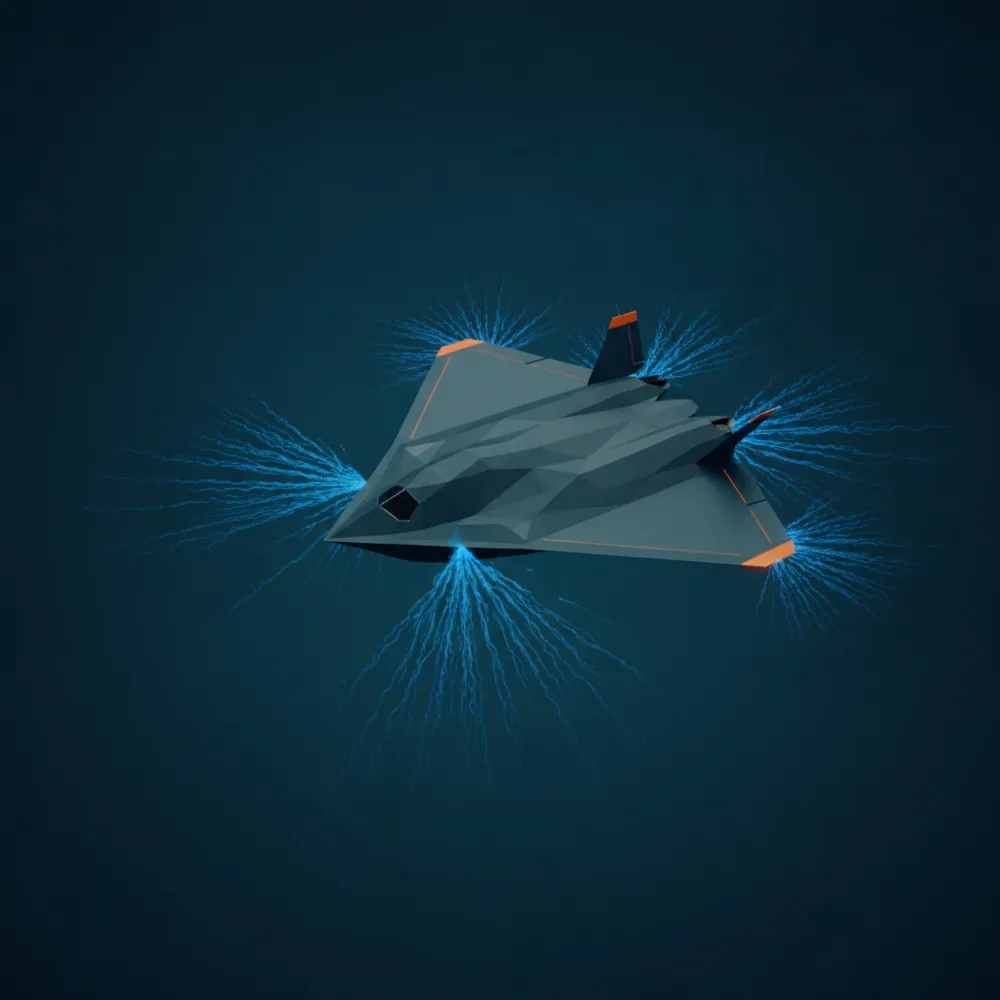
Illustrative simulation render. Actual studies are built to your geometry and requirements.
Typical funders: Air Force · DARPA · Navy. Explore award sizes, deadlines, and direct links to every source in the Funding Finder.
Free Ansys evaluation licenses for the tools above, free engineering support to apply them to your MVP, and a free check on your Ansys Startup Program eligibility. Software and engineering only, never application advice.
Tell us about your project — incorporated, in stealth, or still an idea — and we'll line up the right Ansys tools and an engineer to help you validate the physics.
Relevant Ansys product pages: HFSS on ansys.com ↗ Savant on ansys.com ↗ Mechanical on ansys.com ↗
